Address
304 North Cardinal
St. Dorchester Center, MA 02124
Work Hours
Monday to Friday: 7AM - 7PM
Weekend: 10AM - 5PM
Address
304 North Cardinal
St. Dorchester Center, MA 02124
Work Hours
Monday to Friday: 7AM - 7PM
Weekend: 10AM - 5PM

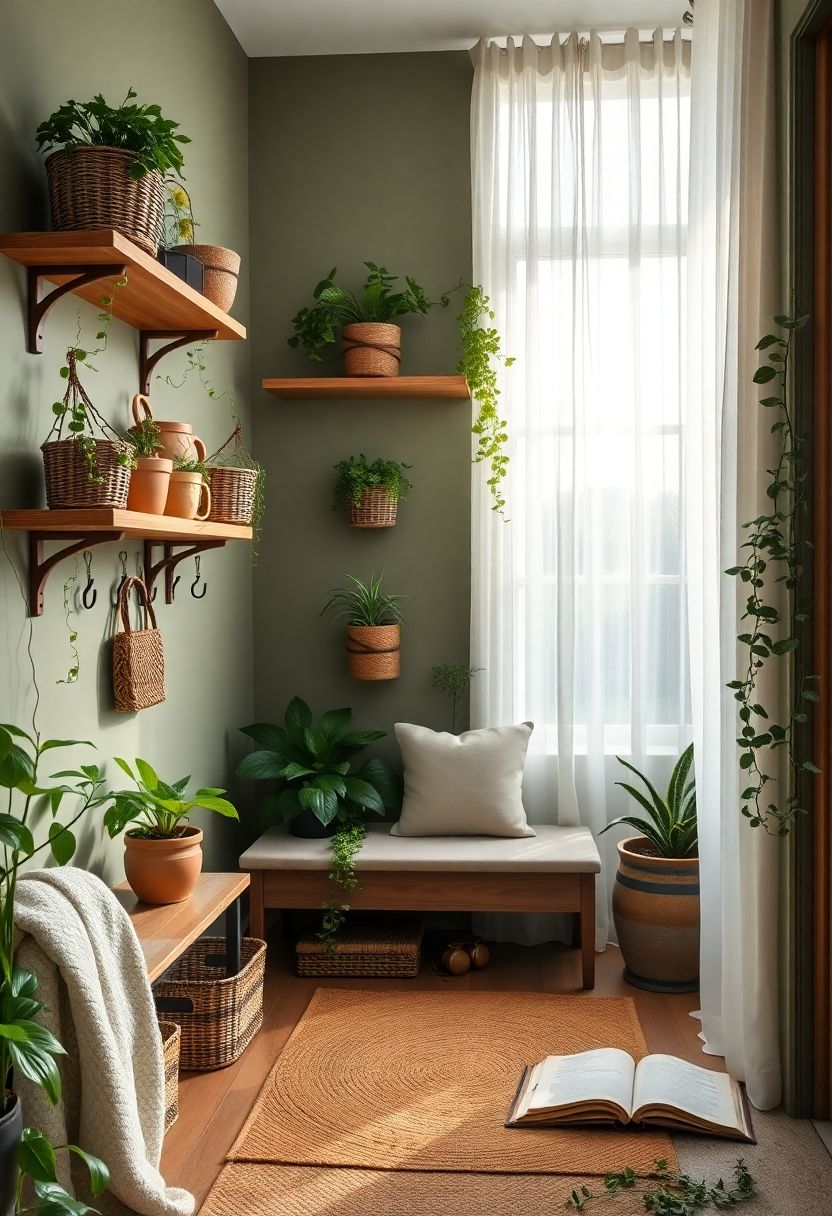
In a recent project, my clients were overwhelmed by clutter every time they stepped through their front door. Their narrow entryway felt more like a bottleneck than a welcoming space. I often advise my clients that integrating biophilic design principles not only elevates hallway decor but also maximizes narrow entryway storage without sacrificing style. Pro Tip: Start by defining zones—shoe drop, mail station and greenery—to keep your small space organization intentional.
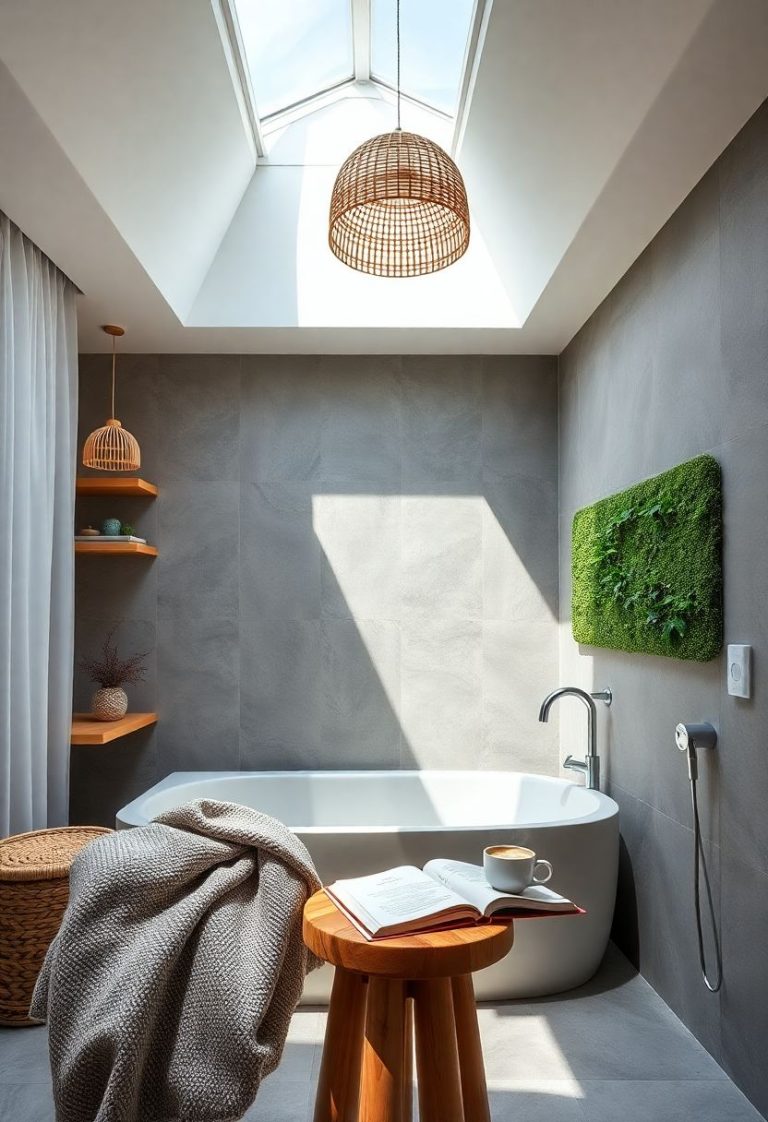
Biophilic design reconnects us with nature through natural materials, plant life and soft filtered natural light. In a narrow entryway, these elements transform a cramped corridor into a serene transition area. One mistake I see often is overcrowding the space with bulky furniture; instead, choose slim, nature-inspired pieces to maintain flow and airiness.
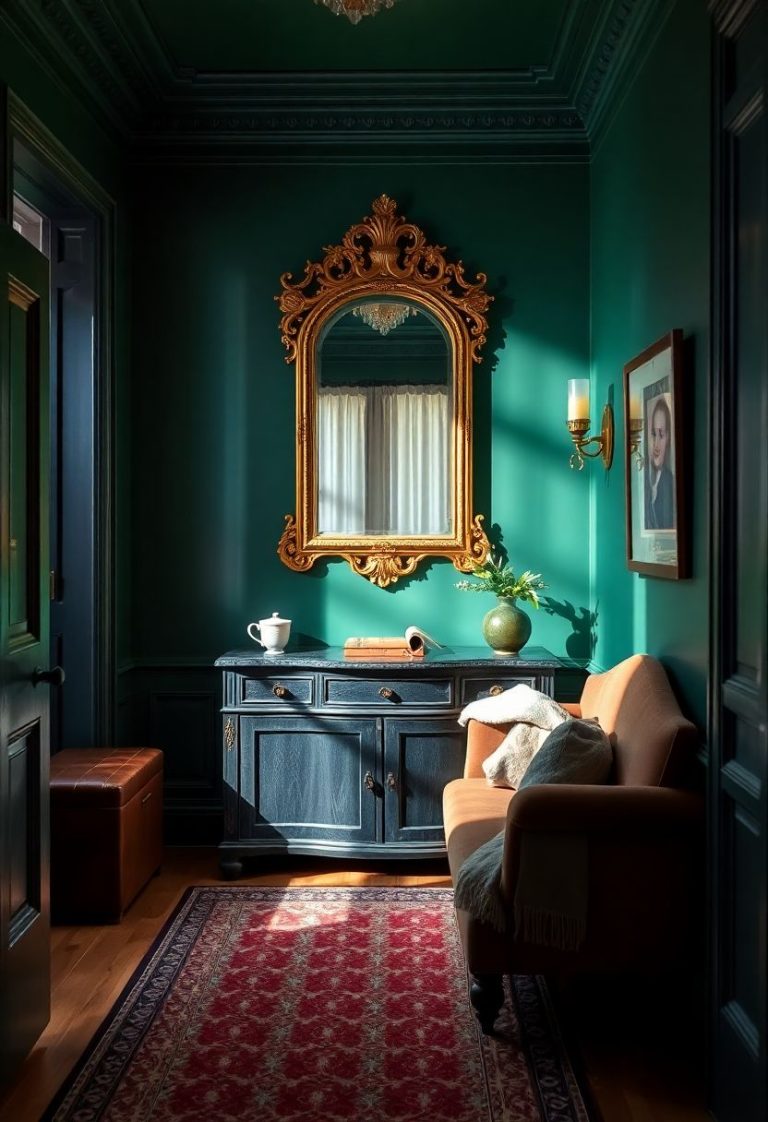
Designer’s Note: Opt for muted green walls or a single accent wall to evoke the outdoors and complement your potted ferns and trailing vines.
Floating oak shelves anchor the eye at eye level and provide display space for stone planters or framed botanical prints. This DIY storage hack is perfect for keeping keys, mail and sunglasses organized without encroaching on your floor space.
Pro Tip: Position shelves under a skylight or beside a window to take full advantage of natural light for your plants.
Incorporate woven rattan baskets on floating shelves or under a bench to tuck away scarves, gloves and reusable shopping bags. The tactile texture adds warmth, reinforcing the biophilic design theme while solving narrow entryway storage challenges.
Designer’s Note: Label each basket with chalkboard tags for quick access and a personalized touch.
Wall-mounted planter hooks free up floor space and elevate greenery at different heights. You can hang trailing ivy or small succulents to create a living green wall that doubles as eye-catching decor and a fresh air booster.
Pro Tip: Use lightweight planters and sturdy anchors to ensure safety in a high-traffic area.
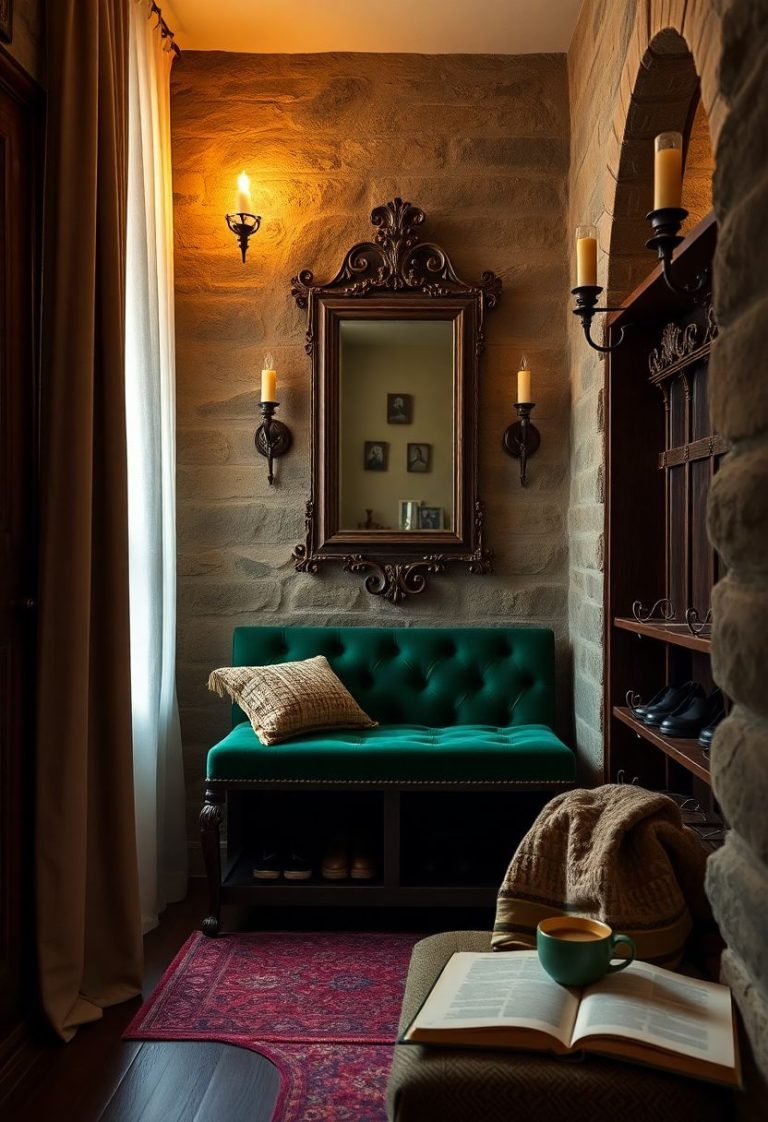
A slim bench provides a spot to sit when tying shoes and conceals baskets or shoe bins beneath. Choose natural-fiber upholstery and a wood tone that echoes your floating shelves for a cohesive look.
Designer’s Note: I often recommend a bench depth of no more than 14 inches to maintain clear passage while offering practical seating.
A natural fiber rug, such as jute or sisal, protects floors and defines the entry zone. Its earthy texture complements your biophilic design elements and helps trap dirt, making it a functional and decorative asset.
Pro Tip: Select a runner with muted green or beige tones to tie into your wall color and protect high-traffic areas.
Stone planters introduce a tactile contrast to wood and rattan while adding permanence to your greenery display. Trailing ivy softens hard edges and enhances the organic feel—perfect for a nature-inspired entry.
Designer’s Note: Rotate your ivy periodically to encourage even growth and avoid bare patches on one side.
Combine narrow entryway storage with utility by installing a slim hanging herb rack. Use small glass jars or tin pots to grow rosemary, thyme or mint. This keeps your herbs within arm’s reach and infuses the air with fresh fragrance.
Pro Tip: Clip herbs as you pass through for an effortless way to incorporate fresh flavors into your cooking.
Enjoyed these ideas? Don’t forget to save “Stop Dreading Your Narrow Entryway! 7 Biophilic Storage Hacks to Beautify & Organize” to your Pinterest boards for quick reference and ongoing inspiration.
Transforming a tight hallway into a functional, green oasis is all about thoughtful composition and purposeful storage. With these narrow entryway storage solutions, you’ll achieve a harmonious balance between form and function, inviting nature in every time you walk through the door.