Address
304 North Cardinal
St. Dorchester Center, MA 02124
Work Hours
Monday to Friday: 7AM - 7PM
Weekend: 10AM - 5PM
Address
304 North Cardinal
St. Dorchester Center, MA 02124
Work Hours
Monday to Friday: 7AM - 7PM
Weekend: 10AM - 5PM

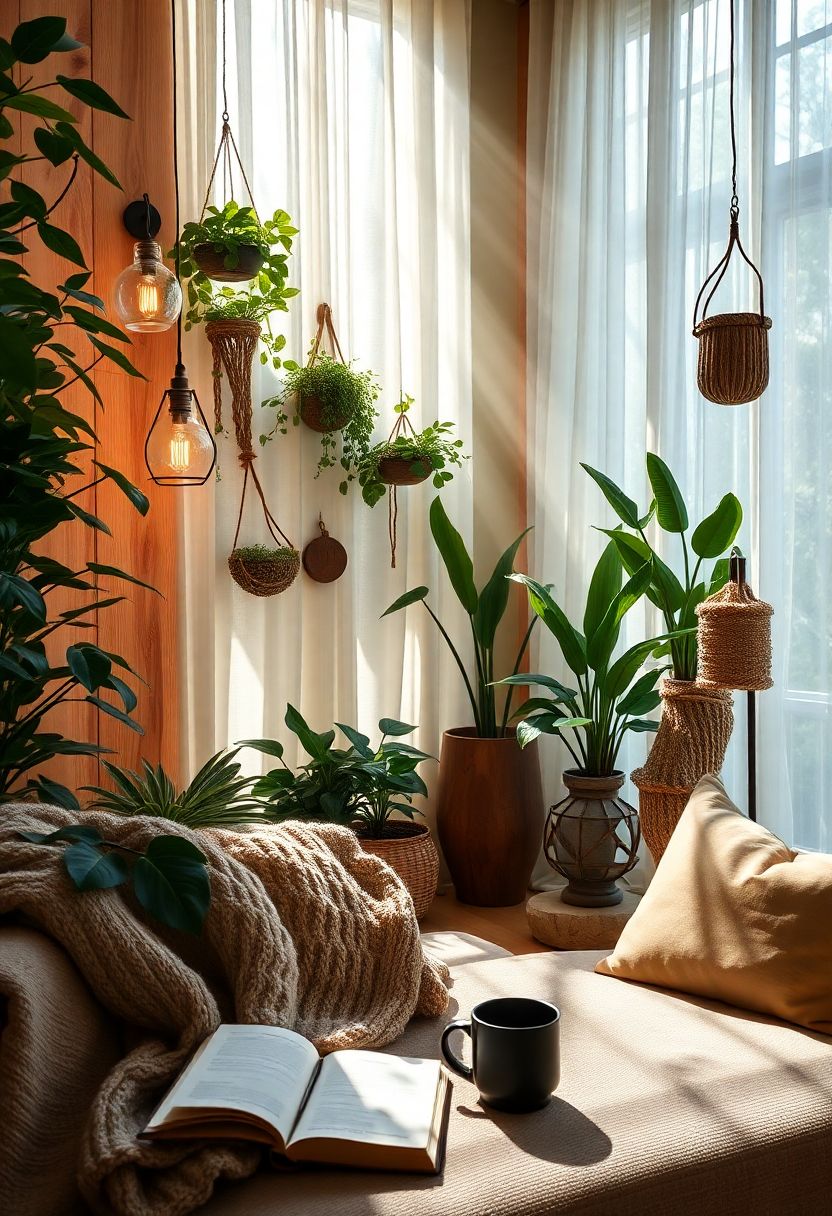
In a recent project, I worked with homeowners who felt their living room was disconnected from the tranquility of nature. Their space felt flat, with standard overhead lighting that cast harsh shadows and left corners in gloom. I often advise my clients to consider biophilic lighting as part of a holistic strategy to bring the outdoors in, marrying living room lighting ideas with nature-inspired decor to create a warm, inviting sanctuary.
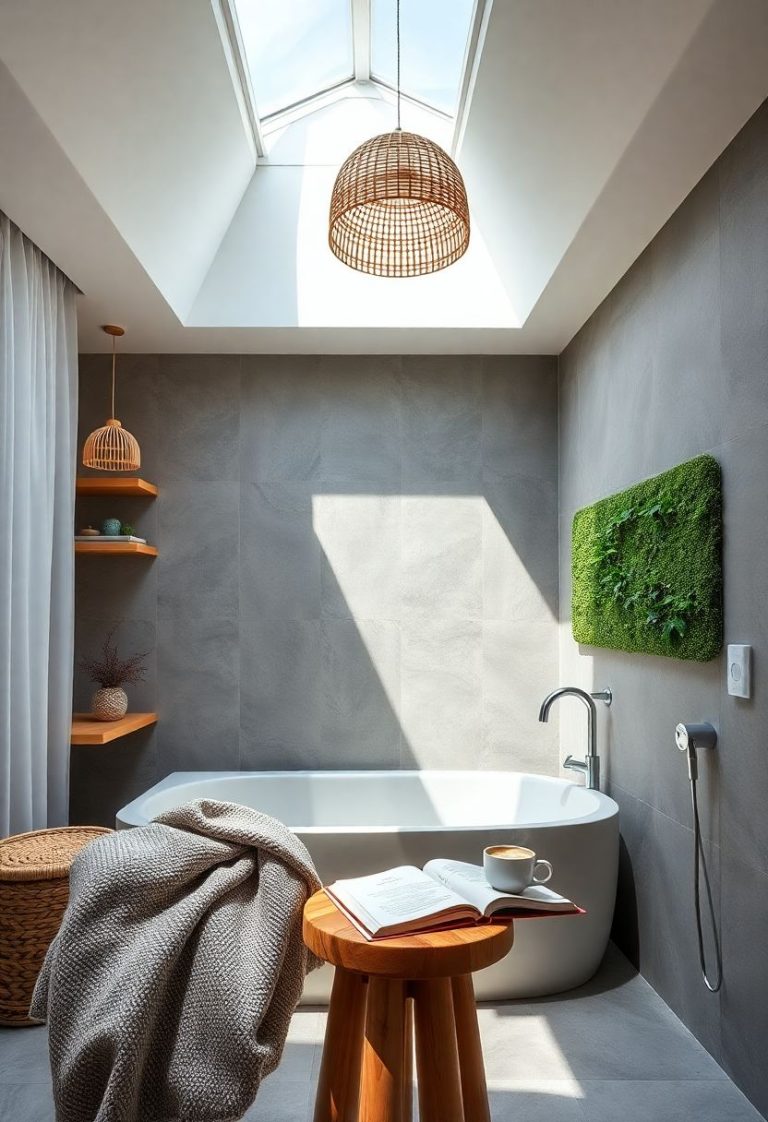
Biophilic lighting harnesses natural textures, abundant indoor plants, and sustainable design principles—soft natural light, dappled shadows, warm wood and stone textures, mossy accents—to transform any living area. Let’s explore how you can achieve this in your own home.
Pro Tip: Always start by assessing the natural light in your room. Position your accents to complement daytime sun patterns and maximize energy-efficient illumination.
Integrating biophilic lighting into your living room does more than elevate aesthetics. It:
Designer’s Note: One mistake I see often is relying solely on artificial light. Mixing daylight with thoughtfully chosen fixtures keeps the mood natural and reduces electricity costs.
Suspended glass terrariums with built-in LED bulbs create miniature landscapes that glow. Fill them with ferns, air plants, or moss for a living pendant that doubles as art.
Pro Tip: Use clear or lightly frosted bulbs to let plant silhouettes shine. Rotate plants periodically for even growth.
Wall sconces with integrated planters merge greenery and light. Ivy trailing down layered stone tiles softens the fixture, while hidden LEDs cast a gentle wash across the wall.
Designer’s Note: Choose low-maintenance, shade-tolerant plants like pothos or philodendron. Ensure the sconce has proper drainage to prevent moisture damage.
Salvaged driftwood paired with linen shades brings organic texture and warm diffusion. These sculptural floor lamps work equally well next to a reading chair or behind a sofa.
Pro Tip: Seal wood lightly to preserve its character. Position so the driftwood’s natural form interacts with dappled daylight.
Hand-woven jute pendants cast intricate shadows. Their neutral palette complements warm wood floors and stone accents, adding an artisan element to nature-inspired decor.
Designer’s Note: Hang at staggered heights for visual interest and to create a layered light field above your seating area.
Carved stone lanterns, outfitted with LED candles or low-voltage bulbs, bring a subtle glow imbued with earthy solidity. Pair with a bed of moss or river rocks at the base.
Pro Tip: Use transluscent stones like alabaster for a gentle, warm illumination that enhances sustainable design.
Table lamps with bases wrapped in preserved moss embrace verdant textures. A simple drum shade ensures the light remains soft and indirect.
Designer’s Note: Preserved moss requires no watering—ideal for low-maintenance indoor plants solutions.
Twisted branches form the arms of a chandelier, interwoven with fairy lights or small LED fixtures. This dramatic centerpiece brings an arboreal canopy indoors.
Pro Tip: Keep the branches lightweight and sealed against pests. Combine with ambient recessed lighting to avoid overly dark spots.
Using hollowed bamboo stalks, these lanterns offer sculptural interest and softly diffused light. Their vertical lines complement tall potted plants and vaulted ceilings.
Designer’s Note: Bamboo is inherently sustainable—select mature stalks, treated for longevity, to embody authentic sustainable design.
Enjoyed these ideas? Save “Bring the Outdoors In! 8 Stunning Biophilic Lighting Ideas to Transform Your Living Room” to your Pinterest boards for inspiration later!